
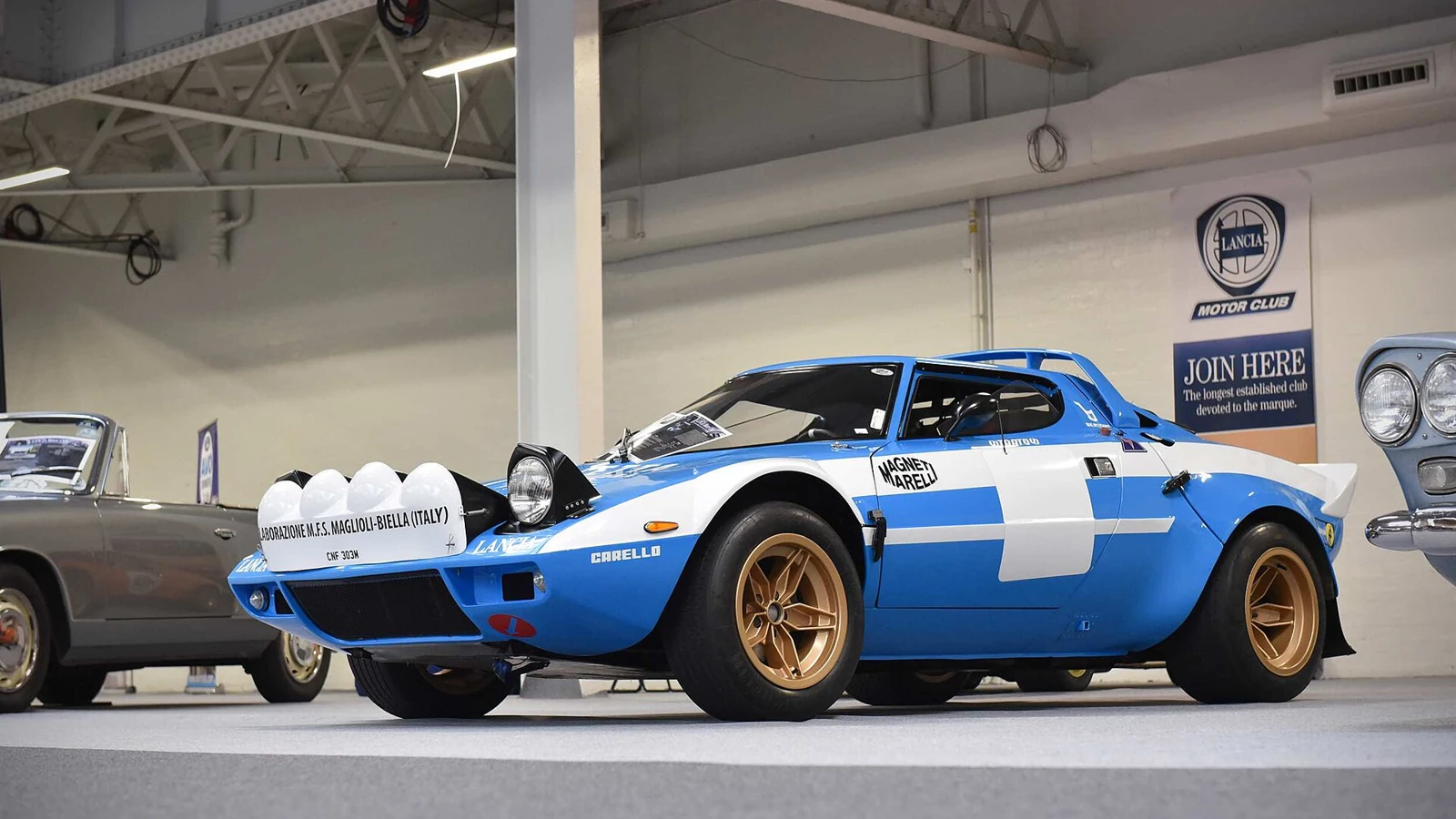
A classic car can attract attention because it is beautiful, rare or expensive. A museum visit becomes more interesting when the car is also read as a working object: who could use it, what it enabled, how it was maintained, and which assumptions about roads, passengers and social position were built into its design.
Sharjah Classic Cars Museum provides a setting for those questions. Its current operator website lists more than one hundred classic cars, five chronologically organised halls and an oldest exhibit dating to 1915.[1] This guide combines checked institutional information with an original method for looking beyond the badge on the bonnet. Sources were reviewed on 9 November 2026; it does not claim that every vehicle mentioned in an institutional description will be accessible on a particular day.
Start with the current operator before copying a ticket price
The museum's own January 2025 account identifies Sharjah Old Cars Club as its manager and places the museum near Sharjah International Airport.[2] The current operator website publishes a ticket-booking service, but its “Apply for Service” link returned a missing-page response during this check.[3]
That limits what can responsibly be promised. This article does not quote a current admission tariff, live ticket inventory or a confirmed opening timetable from a booking screen it could not inspect. Frequently repeated prices on travel websites should be checked with the operator rather than presented as a verified current transaction.
Use the museum's current website and inquiry service to confirm the intended date, hours, ticket categories, accepted payment and any requirement important to your party.[3][4] A failed web link does not demonstrate that the museum itself is closed. Equally, a functioning home page does not establish that every service is available without prior arrangements.
| Planning question | What to confirm directly | Why it matters |
|---|---|---|
| Which date and time? | Current opening and final-admission arrangements | Avoids relying on an older timetable |
| Which visitors? | Adult, child, group and concession categories | Prevents an assumed discount becoming a surprise |
| Which access needs? | Arrival route, movement, rest and assistance | Makes the whole visit practical |
| Which activity? | Ordinary admission, organised tour or photography request | Keeps different permissions separate |
| Which collection interest? | Availability of a particular display if essential | Protects a journey built around one exhibit |
Prepare those questions together. A concise enquiry is easier to answer than a series of disconnected messages that never identifies the actual visit being planned.
Read the collection as a chronology with changing problems
The operator's dated account describes early cars, post-war developments, later design and performance, and vehicles associated with UAE motoring and public services. It also discusses bicycles, motorcycles and an educational area.[2] The home page's five-hall summary and that article's four main sections need not describe the same organisational unit. Avoid turning either into a guaranteed current floor plan.
Instead, use chronology to ask what a manufacturer or owner was trying to solve. Was the priority carrying people, handling difficult surfaces, improving comfort, displaying status or performing a public service? Which features seem necessary, and which appear decorative?
Begin with the label. Identify what it actually tells you about manufacture, ownership or use. A famous marque does not automatically establish the history of the particular vehicle in front of you. Distinguish a model's general reputation from the documented account of that individual exhibit.
The Sharjah Museum of Islamic Civilization guide uses a similar evidence-first approach to very different objects. In both settings, careful labels and material details can be more revealing than an impressive name alone.
Examine three cars rather than trying to remember one hundred
Choose a small comparison. The following is an editorial viewing exercise, not an official museum route. Select an early passenger vehicle, a later vehicle intended for a different user, and an example associated with practical work where available.
For each, record one visible detail and one question. Doors, seats, controls, luggage space, tyres and the relationship between driver and passenger can reveal different priorities. Do not assume that a vehicle's appearance proves how comfortable, safe or reliable it was in daily service.
| Viewing lens | A detail to notice | A question to take to the label or guide |
|---|---|---|
| Driver's work | Controls, visibility and access | What skills and physical effort did operating it require? |
| Passenger experience | Seating, enclosure and entry | Who was expected to travel, and in what conditions? |
| Purpose | Cargo area, specialised fittings or body shape | Which job was the vehicle designed to perform? |
| Maintenance | Accessible components and visible construction | What would routine care have involved? |
| Social meaning | Decoration, scale and presentation | Which interpretation is supported by the exhibit's history? |
Avoid treating the table as a checklist that must be completed beside every display. Its purpose is to slow the first comparison until the differences become specific. Once that habit is established, the rest of the collection becomes easier to read selectively.
Connect vehicles to the work around them
A car depends on more than its engine. Roads, workshops, fuel supply, spare parts, drivers and service organisations make mobility possible. This is an interpretive framework for the visit, rather than a claim that every part of that system is exhibited in the museum.
The UAE Ministry of Culture's National Cultural Map identifies the museum as a specialised collection and notes an old filling station within its premises.[5] That provides a useful prompt to look beyond the vehicle itself. What other objects, signs or explanations help reveal the infrastructure that made it usable?
A hypothetical family discussion might begin with a question about repairing a vehicle far from a workshop. The group can then identify which answers are visible, which are explained by the museum and which would require additional historical research. That separation prevents imagination from being presented as evidence.
To extend the subject from roads to the coast on another outing, the Sharjah Maritime Museum and Aquarium guide offers a different relationship between transport, work and environment. Combining the themes can be useful; squeezing both venues into an unrealistic schedule is not required.
Let children investigate a practical design problem
A child does not need to know engine terminology to contribute. Ask them to choose a car they think would be easy to enter, difficult to park or useful for carrying something. Then ask which visible detail led to that answer.
This keeps the discussion grounded. “I like the red one” is a valid preference; “it carried more people” is a factual inference that should be checked. Adults can model the same distinction by admitting when an attractive guess lacks evidence.
For a hypothetical group with mixed interests, agree that each person chooses one object and explains it to the others. The explanation can contain a question rather than a conclusion. A younger visitor may notice a handle or seat arrangement that an enthusiast looking at model names overlooks.
Do not promise that touching, sitting inside vehicles or operating controls is permitted. Ask staff about the actual activity and supervise children around displays. An educational museum setting does not make every object an interactive exhibit.
Use digital interpretation without making the screen the visit
The operator's January 2025 account describes barcodes beside vehicles for additional information and an optional audio guide.[2] Confirm what is currently available and whether it suits your language and access needs. A published description of a tool is different from a guarantee that every code or device works on the day.
Use a device to answer a question already raised by the object. Scan, read or listen, then return attention to the display. If the information produces a new question, note it. Photographing a label without examining it can create an archive of unread material rather than a better understanding.
Families who prefer a different kind of technical questioning can plan a separate Sharjah Planetarium visit. The connection is a method of learning: notice, ask, check and explain what changed in your understanding.
Plan the arrival and the rest of the day realistically
The airport-side location makes geographic planning important. A museum near an airport is not automatically a practical activity during a short connection. Consider transport, baggage, entry formalities where applicable, the time needed to return and the consequences of delay. This guide does not certify that a particular flight connection allows a visit.
Before leaving, keep the operator's confirmation, the address and a return option accessible. If another activity follows, allow a break rather than assuming every member of the party can maintain the same pace. Decide which part of the plan can be shortened if the first activity takes longer.
For another cultural perspective, the Sharjah Art Museum guide offers an encounter with objects whose interpretation may depend less on practical function. The contrast can sharpen a later conversation about design, usefulness and aesthetic choices.
Questions before visiting the museum
Is the current admission price verified in this guide?
No. The operator's ticket-service page was accessible, but its application link returned a missing-page response during the check. Confirm the actual price and categories directly rather than relying on an unverified repeated figure.[3]
Does the broken booking link mean the museum is closed?
That conclusion would go beyond the evidence. It identifies a problem with a web route. Use the current inquiry channel to establish the visit arrangements.[4]
Must a visitor be a car enthusiast?
The viewing method can begin with ordinary questions about passengers, work, comfort and maintenance. Specialist knowledge may add depth, but it is not necessary to compare visible design choices thoughtfully.
What should a visitor remember afterwards?
Choose one comparison you can explain clearly, one institutional fact supported by a label, and one unanswered question worth investigating. That is a more durable result than remembering the largest number of cars photographed.
Official sources and editorial method
Sources checked on 9 November 2026. Numbered references support the official facts stated. Planning frameworks and hypothetical scenarios are CYUAE editorial analysis, not individual legal or tax advice. Photographs are contextual; image credits identify their source and licence. They do not document a particular application or case.
- Sharjah Classic Cars Museum — Current operator home page ↗
- Sharjah Classic Cars Museum — Institutional collection account, 19 January 2025 ↗
- Sharjah Classic Cars Museum — Ticket Booking service ↗
- Sharjah Classic Cars Museum — Inquiry service ↗
- UAE Ministry of Culture — National Cultural Map, Sharjah Classic Cars Museum ↗